Key Features of Orthotics that Aid in Injury Management
Table Of Contents
Pain Relief Mechanisms
Orthotics provide significant pain relief by redistributing weight away from painful areas. By creating a more even distribution of pressure across the foot, these devices can mitigate discomfort associated with conditions such as plantar fasciitis or arthritis. The contour and support offered by orthotics enable individuals to maintain mobility while reducing strain on specific pressure points during daily activities.
Additionally, the cushioning properties of many orthotic designs can absorb shock during movement. This feature is particularly beneficial for those engaging in high-impact activities or for individuals with chronic pain. By dampening the forces exerted on the feet and joints, orthotics can help minimise the risk of exacerbating injuries and promote a more comfortable range of motion.
How Orthotics Alleviate Pressure Points
Orthotics are designed to redistribute weight effectively, which plays a crucial role in relieving pressure from specific areas of the body. By providing a customised fit, these devices lessen the burden on high-impact regions, such as the heels and balls of the feet. This reduction in pressure helps mitigate pain and discomfort, allowing individuals to engage in daily activities with more ease. As a result, orthotics can significantly enhance overall foot function and comfort.
In addition to pressure redistribution, orthotics create a supportive barrier that mitigates friction between the foot and footwear. This support is essential for those suffering from conditions such as plantar fasciitis or metatarsalgia. The cushioning component within orthotics absorbs shock, which further alleviates pressure on sensitive areas. By addressing these concerns, orthotics can prevent the worsening of existing injuries and promote healing for those seeking relief.
Impact on Biomechanics
The proper alignment of the body plays a vital role in overall mobility and injury prevention. Orthotics are designed to enhance structural support, guiding the body into a more favourable position. By redistributing forces across joints and muscles, they can reduce strain and enhance functional performance. The adjustments made by orthotics can lead to a more efficient movement strategy, allowing individuals to engage in physical activities with less discomfort and fatigue.
Individuals suffering from various musculoskeletal issues often experience altered biomechanics. By addressing these issues, orthotics assist in correcting misalignments and promoting a more natural gait pattern. Improved biomechanical function can result in enhanced stability and balance, which is crucial for preventing further injuries. With their ability to modify loads and pressures, orthotics contribute significantly to rehabilitation protocols, allowing individuals to regain strength and confidence in their movement capabilities.
The Role of Orthotics in Correcting Gait Disorders
Gait disorders often result from abnormalities in foot structure or alignment, leading to a range of compensatory movements that can cause discomfort and further musculoskeletal complications. Orthotics play a pivotal role in addressing these issues by realigning the foot and ankle, promoting a more efficient gait pattern. By providing support and stability, they assist in redistributing pressure across the foot, reducing the strain on muscles and joints that may otherwise be overworked.
Using custom orthotics tailored to individual needs can significantly enhance mobility and reduce pain during movement. These devices can address various conditions, including overpronation and underpronation, which are common contributors to gait abnormalities. Over time, consistent use of orthotics can help retrain the body’s mechanics, leading to improved posture and a more balanced gait, ultimately allowing individuals to regain confidence in their walking ability.
Adaptability to Different Activities
Orthotics provide tailored support that meets the diverse demands of various activities. Whether engaging in high-impact sports or simply walking around town, the right orthotic device can optimise performance while reducing the risk of injury. Some designs focus on stability and shock absorption for athletes, while others may prioritise comfort and ease of movement for everyday tasks. This adaptability ensures that individuals can maintain an active lifestyle without compromising their foot health.
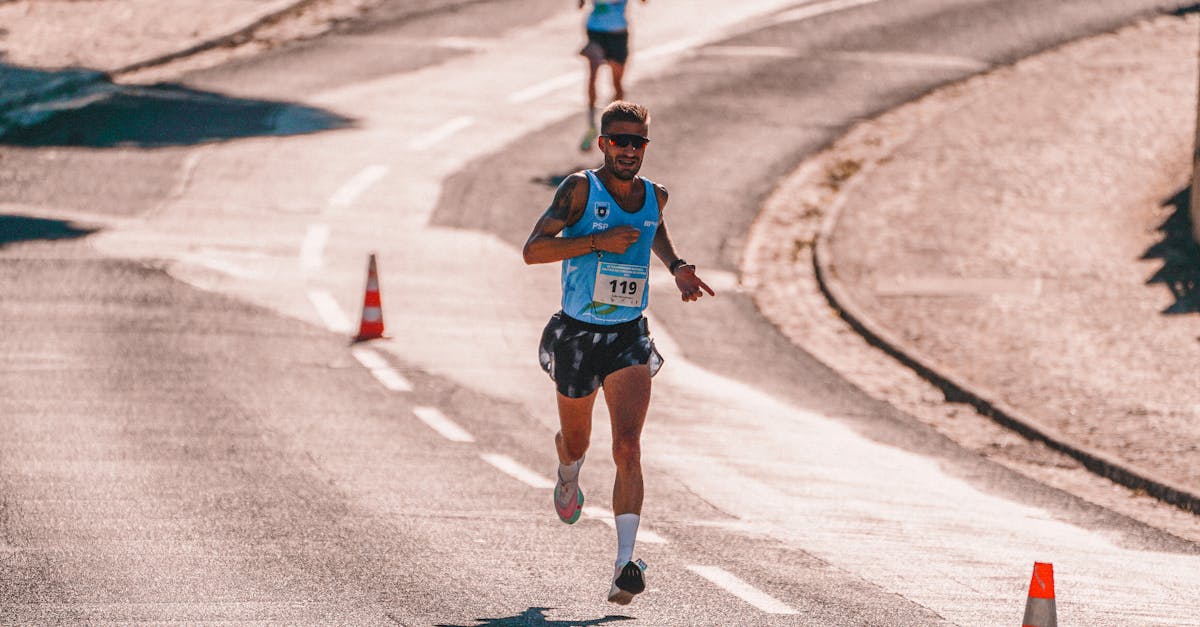
Custom orthotics are particularly beneficial for athletes, as they take into account specific movements associated with different sports. Runners, for example, may require devices that provide enhanced arch support and cushioning to cope with repetitive impact. In contrast, those who spend long hours on their feet at work may need orthotics that offer better alignment and alleviate fatigue. These personalised adaptations make orthotics a versatile tool in injury prevention and management across various contexts.
Custom Orthotics for Sports and Daily Life
Custom orthotics play a crucial role in enhancing performance in various sports while also catering to daily activities. Athletes benefit from a personalised fit designed to provide the necessary support and alignment tailored to their unique foot structure. This precision helps to mitigate the effects of repetitive strain during high-intensity activities, reducing the risk of injury. In daily life, these orthotics offer comfort and stability, allowing individuals to engage in routine tasks without discomfort.
The versatility of custom orthotics extends beyond sports into everyday experiences. For those who spend long hours on their feet, a well-crafted orthotic can alleviate discomfort and fatigue, promoting a healthier posture. Different designs are available that cater specifically to the demands of various sports and lifestyle choices. This adaptability ensures that users find the right solution for their specific needs, enhancing both athletic performance and overall wellbeing.
FAQS
What are orthotics and how do they help in injury management?
Orthotics are custom-made or pre-fabricated devices designed to support, align, or improve the function of the foot and lower limbs. They help in injury management by providing pain relief, correcting biomechanical issues, and enhancing overall functionality during activities.
How do orthotics alleviate pressure points?
Orthotics are designed to distribute body weight evenly across the foot, reducing pressure on specific points. By cushioning and supporting areas of the foot that are prone to pain, they help alleviate discomfort and promote healing.
In what ways can orthotics impact biomechanics?
Orthotics can significantly influence biomechanics by correcting misalignments and promoting proper foot movement. This, in turn, helps improve overall posture and reduces the risk of injuries related to poor alignment.
Are orthotics effective for gait disorders?
Yes, orthotics play a crucial role in correcting gait disorders by providing the necessary support and structure to promote proper walking patterns. This can lead to improved stability, balance, and reduced risk of falls or further injuries.
Can orthotics be customised for different activities?
Absolutely! Custom orthotics can be tailored for specific activities, such as sports or daily life, to meet individual needs. This ensures optimal support and comfort while engaging in various physical activities, enhancing performance and reducing the risk of injuries.
Related Links
How Custom Orthotics Reduce the Risk of Overuse InjuriesThe Role of Running Orthotics in Preventing Common Injuries
Addressing Common Running Injuries with the Right Orthotics
The Benefits of Orthotic Support in Rehabilitation Programs
How to Use Orthotics Effectively for Injury Prevention
The Science Behind Orthotics and Injury Prevention Strategies